Featured
Table of Contents
Anxiety vs. anxiety: Exactly how to discriminate Anxiousness is defined by excessive fear and concern, while depression is marked by relentless sadness and a loss of interest. You can have both mental wellness conditions. Anxiety and clinical depression are two usual problems that affect both your psychological and physical health and can disrupt your every day life with tasks and partnerships.
In this article, we'll detail the crucial resemblances and key distinctions between both problems. Stress and anxiety and anxiety are 2 of one of the most usual psychological health disordersand despite the fact that both problems are unique from each various other in terms of just how they are identified and dealt with, some symptoms of clinical depression and anxiousness overlap and many individuals experience both.
Why Internal Family Systems for Self-Compassion
And though they share these commonness, anxiety and clinical depression are 2 different classifications of conditions.
Anxiety isn't something you can speak or reason your method out of by yourself, so if you believe you may be experiencing an anxiousness disorder, reach out for professional assistance. To get more information about kinds of anxiousness problems and exactly how they are treated check out: Anxiety disorders: An introduction of the 5 significant types. Anxiety is a sort of mood problem and typical psychological health problem that influences exactly how you really feel, believe, and act.
Paying for Associated with Quality Mental Health Care for Building Healthy Self-Esteem
Clinical depression can additionally make it hard to believe, focus, or retain details. Experiencing spells of despair is an expected emotion and component of day-to-day life, but scientific anxiety is different in that these feelings and ideas continue for a minimum of two weeks along with other signs. It's approximated that more than 16% of U.S.
Ladies experience depression regularly than menand members of the LGBTQIA+ neighborhood are additionally at a boosted risk for clinical depression. Various other threat variables include genes (relative), character (like reduced self-worth), ecological factors (like destitution), and biochemistry and biology, implying an inequality in specific brain chemicals. While anxiety appears different for each person, according to the Diagnostic and Statistical Guidebook of Mental Illness, fifth version (DSM-5) to be identified as clinical anxiety, 5 or even more signs and symptoms have to be existing and require to last for at the very least two weeks.
Why Brainspotting Helps Trauma and Depression More Effectively
If you're not fairly really feeling like on your own, make a consultation with a health care service provider like your PCP or a therapist or psychoanalyst, which are clinical physicians that specialize in dealing with psychological wellness problems. These problems are complicated and obtaining an accurate diagnosis is the first step to feeling better.
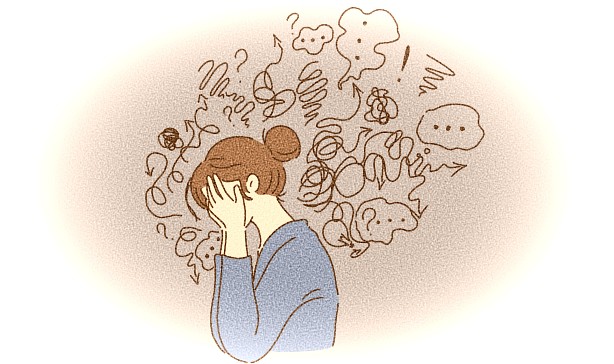
And people that are identified with anxiousness are likewise most likely to have anxiety, too. This isn't shocking due to the fact that stress and anxiety can place you in danger for clinical depression given that signs of irritability, isolation, and uneasyness can become feelings of sadness, sadness, and loss of interest in hobbies. If you're experiencing these signs and symptoms for an extensive duration, it's ideal to look for specialist assistance early to minimize the risk of co-occurring conditions and enhance therapy outcomes.
There work therapy alternatives and medicines that can help reduce symptoms related to both conditions. Usually, it's easy to neglect your anxiety and anxiety, thinking that it's "not negative enough," or that it'll "just vanish" with time. And while it's true that there are various intensities to the conditions, when anxiety or anxiety obtains in the means of day-to-day tasks or relationships, it may be an indication that you need some additional support.
Recognizing Career Burnout Through Relational Life Therapy
Read Time: 8 Minutes Stress and anxiety and clinical depression are two of one of the most typical mental wellness conditions we see. And though Anxiety and clinical depression are 2 of the most common mental health and wellness conditions we see. And though they're regularly puzzled, they're actually various classes of conditions. Some of the complication stems from an overlap in symptoms and in the truth that they often co-occur.

On a high degree, anxiety entails extreme stressing or tension about the end result of a circumstance. Depression, on the other hand, is a mood disorder that triggers frustrating feelings of unhappiness or apathy. We'll dive right into the key differences below and examine each psychological health problem in a lot more detail. Component of the reason anxiousness vs anxiety can be challenging for lots of people to recognize is that there are overlapping symptoms in the 2 conditions.

Table of Contents
Latest Posts
The Sustainable Benefits of Therapeutic Support from Cognitive Behavioral Therapy
Processing Mental Wellness Issues With Therapeutic Support
The Relationship Between Inherited Trauma and Mental Health
More
Latest Posts
The Sustainable Benefits of Therapeutic Support from Cognitive Behavioral Therapy
Processing Mental Wellness Issues With Therapeutic Support
The Relationship Between Inherited Trauma and Mental Health